Facebook
 X
X
 Pinterest
 Copy Link
Buying a Waterfront Home? What You Should Know About Bulkheads
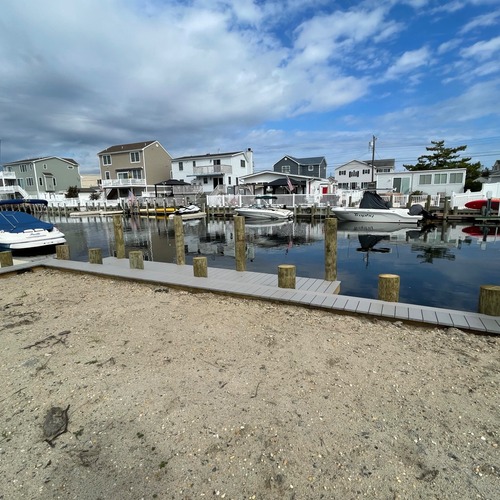
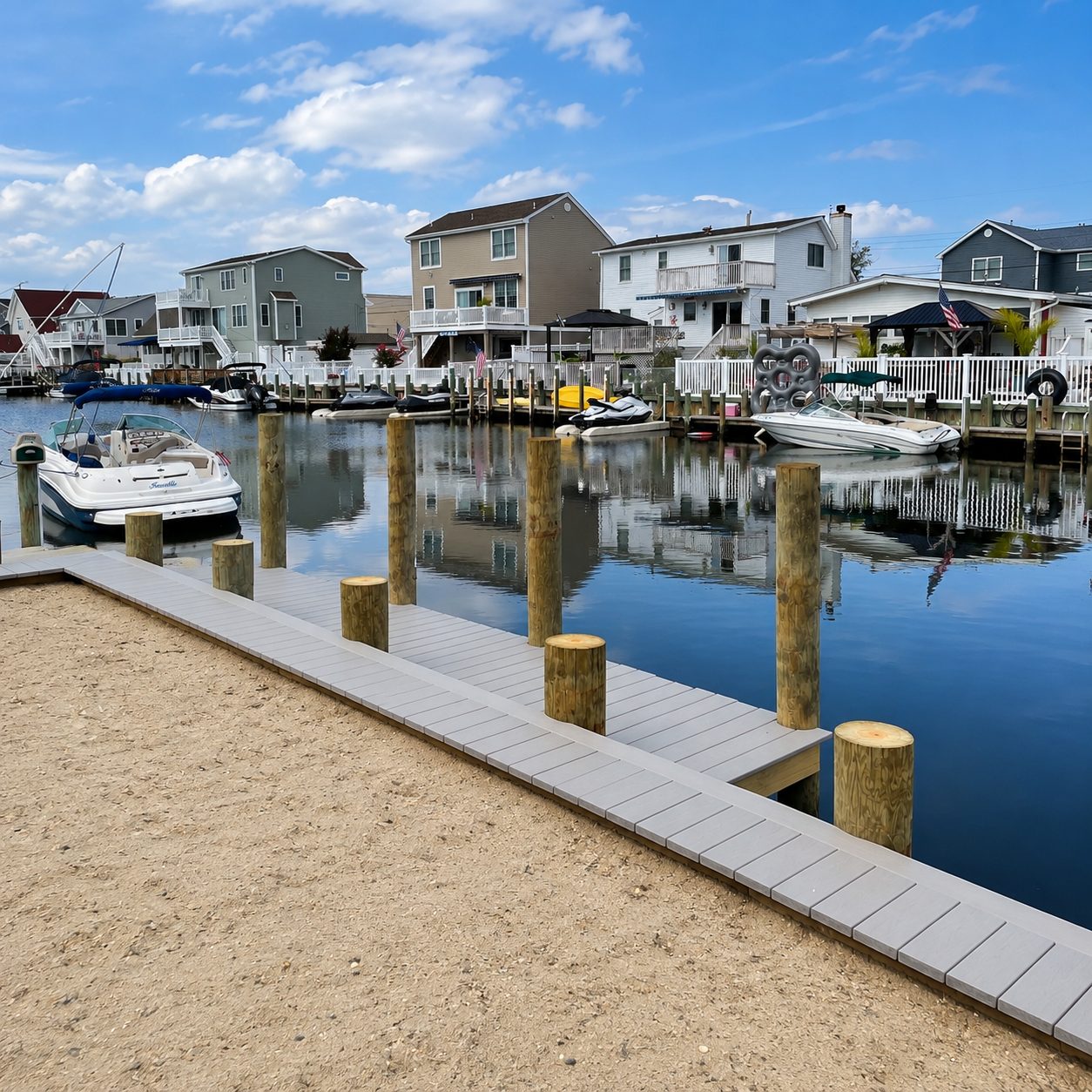
When you’re looking at a waterfront home at the Jersey Shore, it’s easy to focus on the things that make you fall in love with the property—the view, the dock, where you’ll keep the boat, and how quickly you can get out on the bay. But there’s another important feature at the water’s edge that deserves just as much attention: the bulkhead.
For buyers considering a lagoon-front or waterfront home, understanding the condition of the bulkhead should be part of evaluating the property.
What Is a Bulkhead?
A bulkhead is a retaining structure built along the shoreline of a waterfront property. Its primary purpose is to help hold the land in place and protect it from erosion caused by tides, waves, boat wakes, and the natural movement of water.
While the dock may be where all the fun happens, the bulkhead is doing an important job behind the scenes.
Bulkheads can be constructed from different materials, and their condition can vary considerably depending on their age, construction, exposure to the elements, and maintenance over the years.
Why Bulkhead Condition Matters When Buying a Waterfront Home
A beautiful lagoon view can easily capture your attention, but when I’m showing waterfront properties, I believe it’s important to look beyond the view.
A bulkhead is a significant component of a waterfront property, and repairing or replacing one can be a substantial project. That’s why buyers should understand what they’re purchasing rather than discovering an issue after closing.
Some things worth paying attention to include visible deterioration, leaning or bowing sections, erosion or settling of the soil behind the bulkhead, gaps or movement in the structure, and areas where the land appears to be washing away.
That doesn’t necessarily mean there’s a serious problem. It means it’s something that deserves a closer look by a qualified professional.
Sometimes the Most Important Part Is What You Can’t See
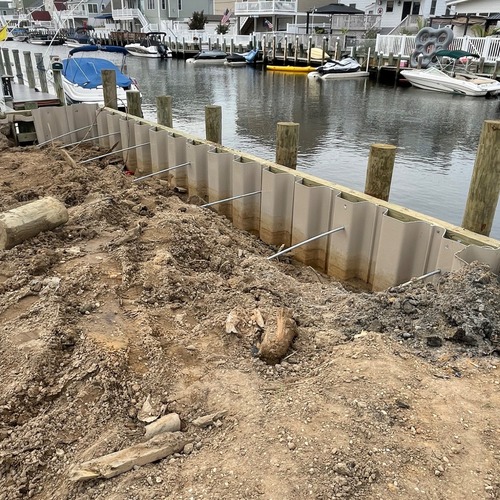
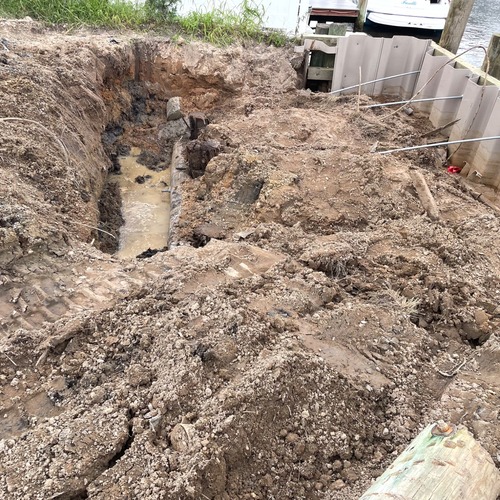
One of the interesting things about watching a bulkhead being replaced is seeing just how much work takes place behind and below what we normally see from the backyard.
Once excavation begins, you get a completely different perspective on the structure that separates the property from the lagoon. There’s much more involved than the finished wall visible along the water.
That’s one reason I encourage waterfront buyers not to make assumptions about a bulkhead based solely on its appearance. If there are questions about its condition, an appropriate waterfront or marine professional can provide the expertise needed to evaluate it.
Bulkheads Are Part of the Waterfront Lifestyle
Owning a lagoon-front home can be an incredible experience. Having your boat steps from the back door, spending an afternoon crabbing from the dock, kayaking or paddleboarding through the lagoons, and simply sitting outside enjoying the water are some of the things that make waterfront living so special.
But that lifestyle also comes with responsibilities that are different from owning a traditional inland property.
Bulkheads, docks, pilings, boat lifts, tides, flood considerations, and waterfront regulations can all become part of the conversation when purchasing and maintaining a home on the water.
Understanding those things before buying can help you make a more informed decision about both the home and the long-term responsibilities of waterfront ownership.
Ask Questions Before You Buy
If you’re considering a lagoon or waterfront property, don’t be afraid to ask questions about the bulkhead.
How old is it? Has it been repaired or replaced? Are permits or documentation available for previous work? Has the homeowner experienced erosion or settling behind it? Are there any known issues?
Depending on the property and the answers you receive, you may also want a qualified professional to evaluate the bulkhead as part of your due diligence.
Waterfront work may also be subject to municipal, state, or other regulatory requirements, so before planning repairs, replacement, or modifications, homeowners should verify what permits and approvals are required for their particular property and project.
A Realtor® Who Understands Waterfront Properties
As a Realtor® familiar with Jersey Shore waterfront communities, I know how exciting it is to walk into a lagoon-front backyard and immediately picture yourself living there. I understand that feeling because I enjoy the waterfront lifestyle myself.
But I also know that buying on the water comes with considerations that aren’t always part of purchasing a traditional home.
When I work with waterfront buyers, my role isn’t to inspect or determine the condition of a bulkhead—that belongs to the appropriate qualified professionals. My job is to help buyers know what questions to ask, recognize when additional information may be important, and guide them through the real estate side of the process so they can make informed decisions.
Because when you find the right waterfront home, you want to spend your time enjoying the lagoon, your boat, and the beautiful Jersey Shore lifestyle—not discovering something you wish you had asked about before you bought.
Waterfront Living Is Worth Understanding
A bulkhead may not be the most glamorous part of a waterfront home, but it’s an important one.
The more you understand about a property before purchasing it, the better prepared you are to enjoy everything that comes afterward—the boat at the dock, evenings on the deck, days on the bay, and all the memories that come with owning a home on the water.
Thinking about buying or selling a waterfront home at the Jersey Shore? I’d be happy to help you navigate the process and share what I’ve learned about the unique considerations that come with lagoon and waterfront living.